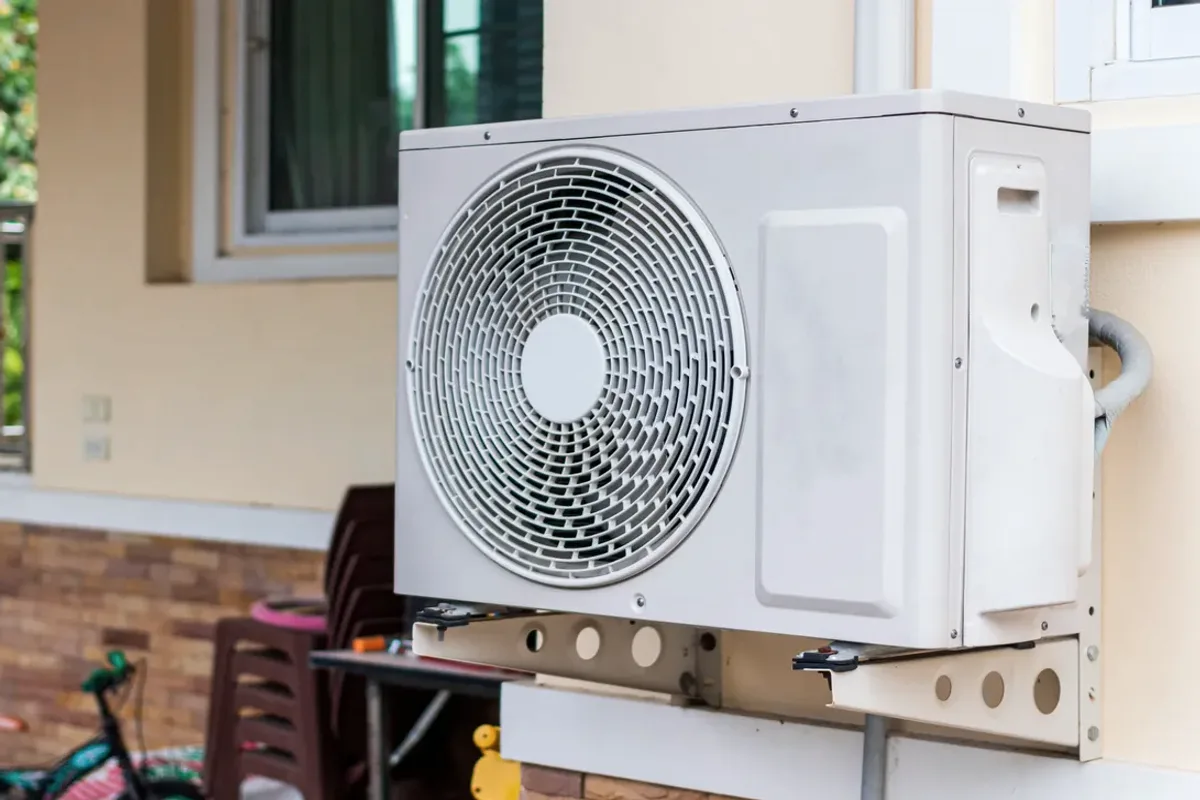
Request heat pump repair & installation for a property in Aurora. Include the equipment, the problem or planned work, and your location so the request can be reviewed.
Is the current heat pump failing to heat or cool, or are you considering a replacement system?
Heat pump service may involve repairing an existing unit or planning a replacement, and those tasks require different evidence. For repair, symptoms such as icing, weak heating or cooling, unusual noise, or an interrupted defrost cycle help direct diagnosis. For installation, the building's heat loss, existing ducts or ductless layout, and intended heating and cooling needs inform equipment selection. Refrigerant type and component condition can also affect whether repair remains a practical option.
For repair, compare operating symptoms with sensor, control, electrical, and defrost findings; icing alone does not identify its cause. For installation, assess the building's heat load and whether the system will be ducted or ductless. Existing equipment condition, refrigerant type, and repair history help frame replacement decisions without relying on a universal age or performance threshold.
Icing, defrost cycles, sensors, controls, and electrical faults
Heat-load assessment for ducted and ductless installations
Refrigerant type, repair history, and replacement decisions
Assessment and Scope
Questions for the Proposed Work
01
Investigate icing and defrost operation
Ice on a heat pump can be associated with defrost operation, a sensor or control fault, or another operating condition. The amount and location of ice, outdoor conditions at the time, and whether the unit completes its defrost cycle help guide diagnosis. A sensor, board, or contactor fault may call for a different repair from a problem affecting the refrigeration circuit. Safety controls should not be bypassed to keep the unit running.
02
Size a replacement for the building and system layout
A replacement heat pump should be selected using the property's heating and cooling needs, not a simple comparison with the old unit's label. Ducted equipment depends on the existing duct system, while ductless equipment depends on the rooms and zones to be served. If cold-weather operation is a design requirement, the model's documented operating range and the building heat load matter. These details define both equipment choice and installation scope.
03
Use refrigerant and repair history in the decision
A sensor or contactor fault differs substantially from compressor damage or a refrigerant leak. Diagnosis should identify the failed component and whether a leak can be located and repaired. The refrigerant used in an older unit and the availability of compatible parts may affect future service options. Comparing those findings with the unit's condition and repair history gives a more useful repair-versus-replacement discussion than assuming either choice from age alone.
Compare the next step
Have the contractor explain the existing changeover sequence in ordinary terms: which equipment supplies heat, when supplementary heat is allowed, and what the occupant should see on the control. Ask for the operating instructions and model-specific maintenance plan before changing settings inherited from the previous owner.
Cold-climate capability does not prove that one model covers every home heating load. Ask how the selected equipment and supplementary heat meet the actual design requirements.