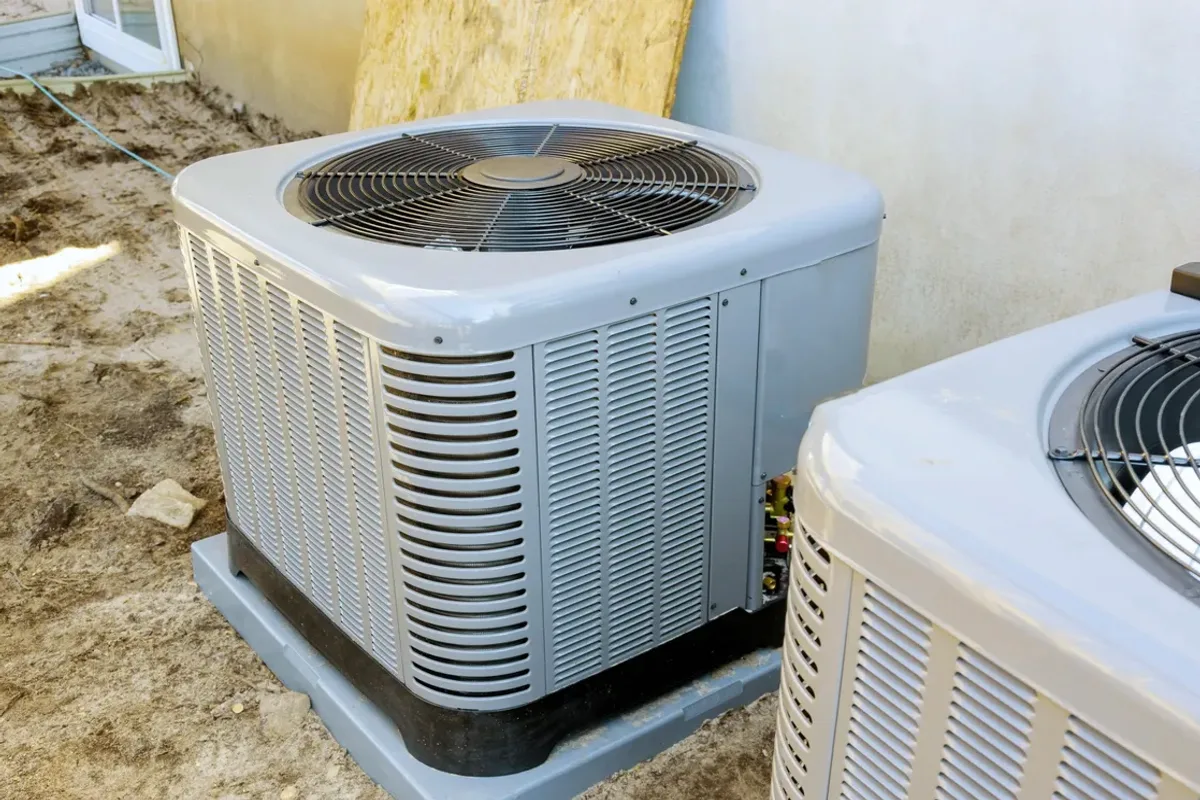
Does the system fail to start, blow warm air, or cool some areas less effectively than others?
Air conditioner repair investigates why a system will not start, blows warm air, cools unevenly, or makes unusual noise. Central air and ductless equipment have different layouts, so the system type and the symptoms in each area help define the checks. Airflow, electrical components, refrigerant operation, and coil condition can each affect cooling. A leak, failed compressor, or replaceable electrical part presents a different repair decision, and inspection findings help compare repair with replacement.
Diagnosis should relate airflow and operating pressures to the system's condition rather than treating a low cooling output as proof of one fault. Electrical testing can identify problems with components such as capacitors, contactors, or fan motors. If refrigerant loss is suspected, locating the leak matters because adding refrigerant without resolving the cause does not diagnose the problem.
Central air and ductless cooling symptoms and airflow checks
Electrical components, refrigerant pressures, and leak diagnosis
Repair-versus-replacement factors including compressor condition
Assessment and Scope
Questions for the Proposed Work
01
Check airflow and system operation together
Weak cooling can result from restricted airflow, a coil condition, or a problem elsewhere in the refrigeration circuit. Comparing airflow and system readings helps show whether the equipment is moving enough air and operating as intended. Central systems and ductless units have different air paths, so the reported location of weak cooling is useful. These observations help direct further testing rather than treating every warm-air complaint as a refrigerant fault.
02
Test electrical parts and investigate refrigerant loss
A capacitor, contactor, or fan motor fault can prevent a component from operating, while a refrigerant leak can gradually reduce cooling. Electrical tests and pressure readings provide different evidence and should be interpreted together with equipment condition. If a leak is indicated, locating its source informs whether repair is practical and what further work is needed. Refrigerant handling and internal electrical work require qualified service, not occupant troubleshooting.
03
Compare repair findings with replacement needs
A failed electrical component may be repairable, while compressor damage or a difficult-to-repair leak can lead to a broader comparison. The system's age, condition, repair history, refrigerant type, and availability of compatible parts all affect that decision. There is no single age at which replacement is automatically preferable. A diagnosis should explain the fault and the options, distinguishing a confirmed repair need from a general recommendation to replace equipment.
Compare the next step
Request an explanation of the installed cooling arrangement, including the indoor coil, outdoor unit, and control. Ask which observed conditions are maintenance items and which indicate a repair. Establish whether previous equipment changes affect compatibility before judging the system only by how cool the air feels at one vent.
Do not open electrical panels or handle refrigerant. If ice, water near electrical equipment, or abnormal operation is present, stop using the affected system and request an assessment.